Reviewing the White Gildan 18000 Folded Mockup
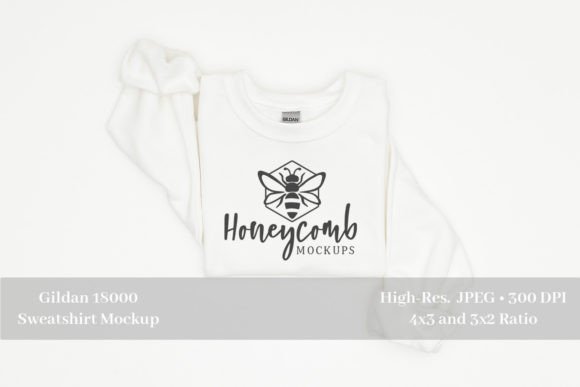
As a designer who has spent countless hours digitizing patterns and testing machine embroidery design files on various substrates, I have learned that presentation is half the battle. We often obsess over stitch density and thread tension, yet we sometimes neglect how our work is perceived before a single needle pierces the fabric. This is where the White Gildan 18000 Mockup, Folded Mockup becomes an essential tool in my digital arsenal. It is not merely a static image; it is a bridge between the digital embroidery file and the tangible finished product.
When I first loaded this asset into my editing software, my immediate impression was one of clean, understated professionalism. The mood it creates is neutral and inviting, allowing the intricacies of a design to take center stage without distraction. For those of us selling design assets or running a craft business, this neutrality is gold. It does not impose a specific theme, making it versatile enough for everything from rustic farmhouse styles to modern minimalist aesthetics.
Real-World Application: The Sweatshirt Scenario
To truly evaluate the utility of the White Gildan 18000 Mockup, Folded Mockup, I placed myself in a common real-life scenario. Imagine I am preparing a custom order for a boutique client who wants a line of coordinated Hoodies Sweatshirts for their spring collection. They have sent me three different logo variations, and I need to show them how these designs will look on the actual garment before I commit to hooping expensive fabric.
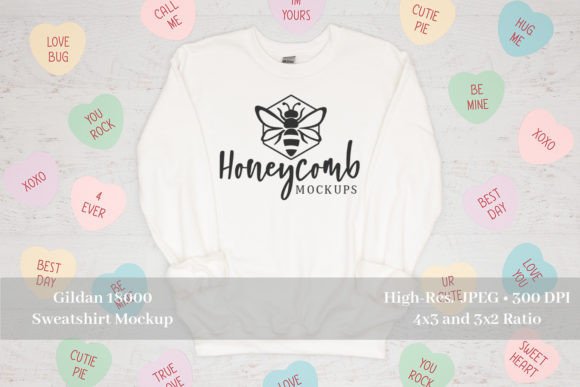
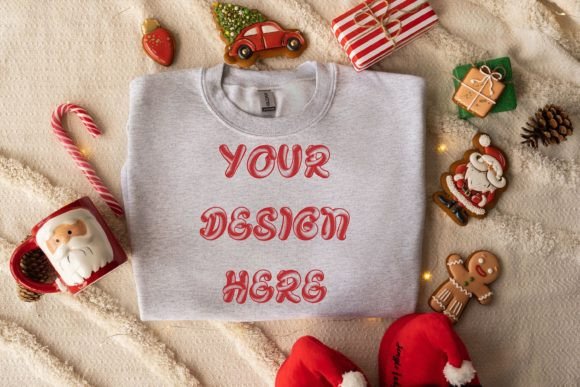
Using this mockup, I can visualize the placement of a chest logo or a larger back piece. The folded presentation suggests a product that is ready to ship, evoking a sense of quality and care. For an Etsy seller, this visual cue is powerful. It tells the potential buyer that the item is not just a raw material, but a curated handmade product. When I overlay a complex satin stitch monogram onto the mockup, the white background of the Gildan 18000 provides excellent contrast, allowing me to judge the clarity of the threads. If the design holds up here, it is likely to perform well in reality.
Visual Appeal and Brand Consistency
The impact of a high-quality printable mockup on customer trust cannot be overstated. In the world of commercial embroidery, consistency is key. The White Gildan 18000 Mockup, Folded Mockup helps maintain a cohesive brand identity across social media posts, website listings, and email newsletters. Because the lighting and shadows are realistic, the thread colors appear true to life, reducing the likelihood of customer complaints regarding color discrepancies.
This level of professionalism enhances the perceived value of the item. A personalized gift looks more premium when presented on a crisp, well-lit mockup than when photographed on a cluttered worktable. For small shop product lines, this consistency builds recognition. Customers begin to associate that clean, folded aesthetic with your brand’s reliability. Whether you are showcasing a delicate baby embroidery pattern or a bold tote bag design, the mockup serves as a reliable canvas that elevates the presentation.
Navigating Design Limitations and Fabric Textures
However, a responsible designer must also recognize where a mockup might mislead. While the White Gildan 18000 Mockup, Folded Mockup is excellent for visualization, it does not replicate the physical behavior of all fabrics. For instance, if you are designing for a textured fabric like terry cloth or a stretchy performance blend, the smooth appearance of the mockup might hide potential issues with puckering or distortion.
I advise caution when using this mockup for designs with extremely fine details or tiny lettering. On a screen, a running stitch outline might look crisp, but on a thick sweatshirt, it could get lost in the pile. Similarly, dense fill stitch areas might appear flat in the digital preview but could cause stiffness in the actual garment. It is crucial to remember that this is a visual aid, not a substitute for physical sampling. Always consider the hoop size limitations and the nature of the fabric texture when interpreting the mockup’s display.
Furthermore, while this mockup is ideal for light-colored garments, it is less effective for visualizing designs on dark fabrics. If you are creating an applique design intended for a black navy hoodie, this white mockup will not accurately represent the contrast or the visibility of the stitching. In such cases, it is better to use a mockup that matches the base color of your intended project or to adjust the brightness and contrast in your editing software to simulate a darker background.
Practical Notes for the Embroidery Designer
Before finalizing any project based on this visual representation, I recommend a few practical steps. First, always test the design on scrap fabric that matches the weight and weave of your final product. This allows you to verify the stitch density and ensure that the stabilizer you are using is appropriate for the garment. Second, check the thread color contrast physically. Screens emit light, which can make colors appear more vibrant than they are in thread form.
Additionally, confirm the licensing terms of any digital embroidery file you plan to sell or use commercially. Just because a mockup looks good does not mean you have the rights to distribute the design itself. Ensure that your embroidery project complies with all intellectual property guidelines, especially if you are creating items for resale or using them in holiday embroidery campaigns where competition is high.
Finally, use the mockup to test different compositions. Try placing your design in various locations on the sweatshirt to see what feels most balanced. Does a small left-chest logo look better than a large central graphic? The White Gildan 18000 Mockup, Folded Mockup allows you to experiment risk-free, saving you time and materials in the long run.
Final Verdict for Creative Entrepreneurs
In conclusion, the White Gildan 18000 Mockup, Folded Mockup is a valuable resource for anyone involved in the creation and sale of embroidered goods. It offers a realistic, professional, and versatile way to showcase custom apparel and Graphics to potential clients. By understanding its strengths and limitations, designers can use it to enhance their marketing, improve customer communication, and streamline their design process. It is not just a picture; it is a strategic tool for building a successful craft business and delivering high-quality personalized gifts that delight customers.